Movable Tiny Home (THOW) vs. Foundation ADU in California: Which Is Right for You?
When expanding living space on your property—whether to house family members, downsize, or create a rental stream—choosing the right structure is your most critical decision. In California, property owners primarily weigh two main options: a Movable Tiny Home on Wheels (THOW) and a Permanent Foundation ADU.
Both options leverage California’s Accessory Dwelling Unit (ADU) legislation, but they differ significantly in upfront costs, permitting timelines, tax treatment, and long-term appraisal value.
Here is a side-by-side comparison to help you choose the best fit for your lot and budget.
1. Permitting Speed & Approval Timelines
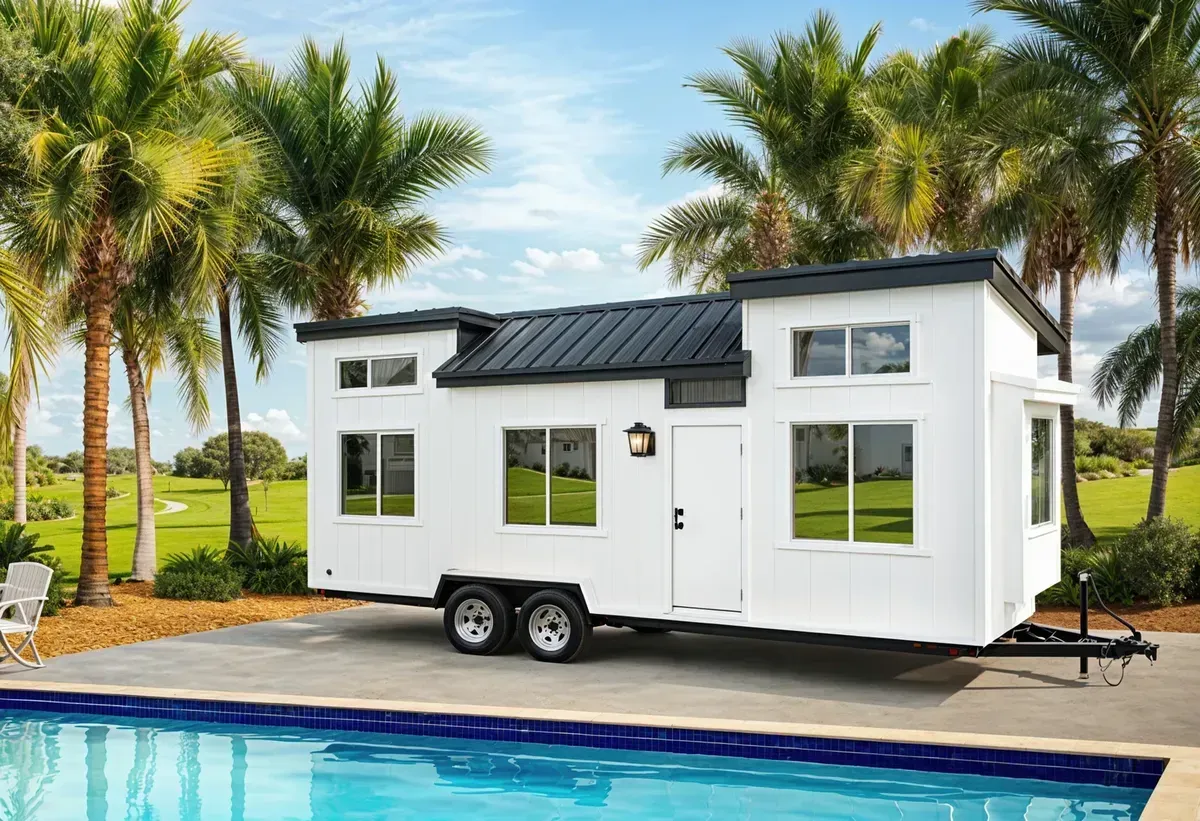
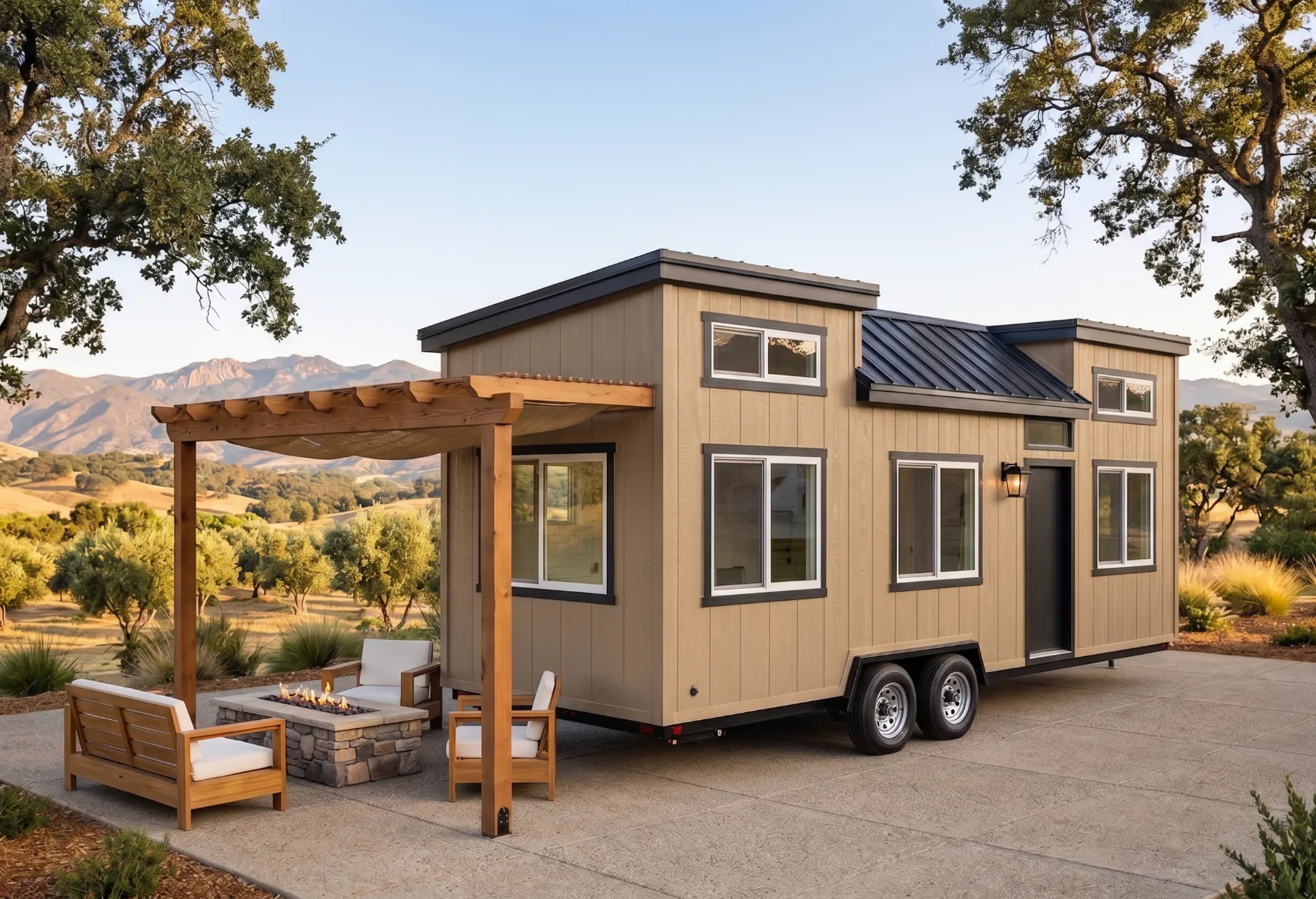
Movable Tiny Home (THOW): Because THOWs are pre-built offsite by certified manufacturers and registered through the California DMV or HCD, site prep is minimal. In cities like Los Angeles, San Diego, and Placer County, approval requires a streamlined zoning clearance and basic utility connection permit—allowing placement in weeks rather than months.
Foundation ADU: Traditional stick-built or modular foundation ADUs require full architectural plan checks, concrete footings, utility trenching, and multi-stage building inspections. The complete permitting and build process typically takes 6 to 12 months.
2. Upfront Costs & Financing Options
Movable Tiny Home (THOW): Turnkey movable tiny homes generally range from $60,000 to $120,000. Because expensive excavation and concrete work are avoided, overall project costs stay lower. Financing is commonly handled through specialty personal lines, RV financing, or builder payment plans.
Foundation ADU: Permanent ADUs cost significantly more, frequently ranging from $150,000 to $350,000+ depending on lot grade, square footage, and contractor fees. Homeowners usually fund these through Home Equity Lines of Credit (HELOCs) or construction loans.
3. Side-by-Side Breakdown
4. Zoning Rules & Utility Hookups
To station a movable tiny home legally in California, your unit must hold ANSI 119.5 or 119.2 certification, observe highway width and height restrictions (13' 6"), and plug into approved water, sewer/septic, and electrical connections. While a foundation ADU becomes a permanent part of your real estate, a THOW provides the flexibility to move the home if your personal needs or land usage change down the road.
Making Your Decision
If you need a fast, cost-effective solution to generate rental income or host guests without months of backyard construction, a Movable Tiny Home on Wheels is the optimal path. If your main objective is maximizing long-term property appraisal value, a Permanent Foundation ADU may be worth the larger capital investment.
At Tiny Homes for Sale CA, we help you navigate site eligibility, utility setups, and model selections across California.