Where Can You Legally Park a Tiny Home in California? (2026 Guide)
One of the biggest questions for aspiring tiny homeowners in California isn’t how to buy a home—it’s where to legally park it. Because local zoning regulations vary significantly by city and county, finding a legal parking spot can feel overwhelming when exploring California tiny homes for sale.
Whether you own a Tiny House on Wheels (THOW) or a foundation-built tiny house, here is your complete, up-to-date guide to finding legal parking and placement across the Golden State.
1. Parking as a Backyard Accessory Dwelling Unit (ADU)
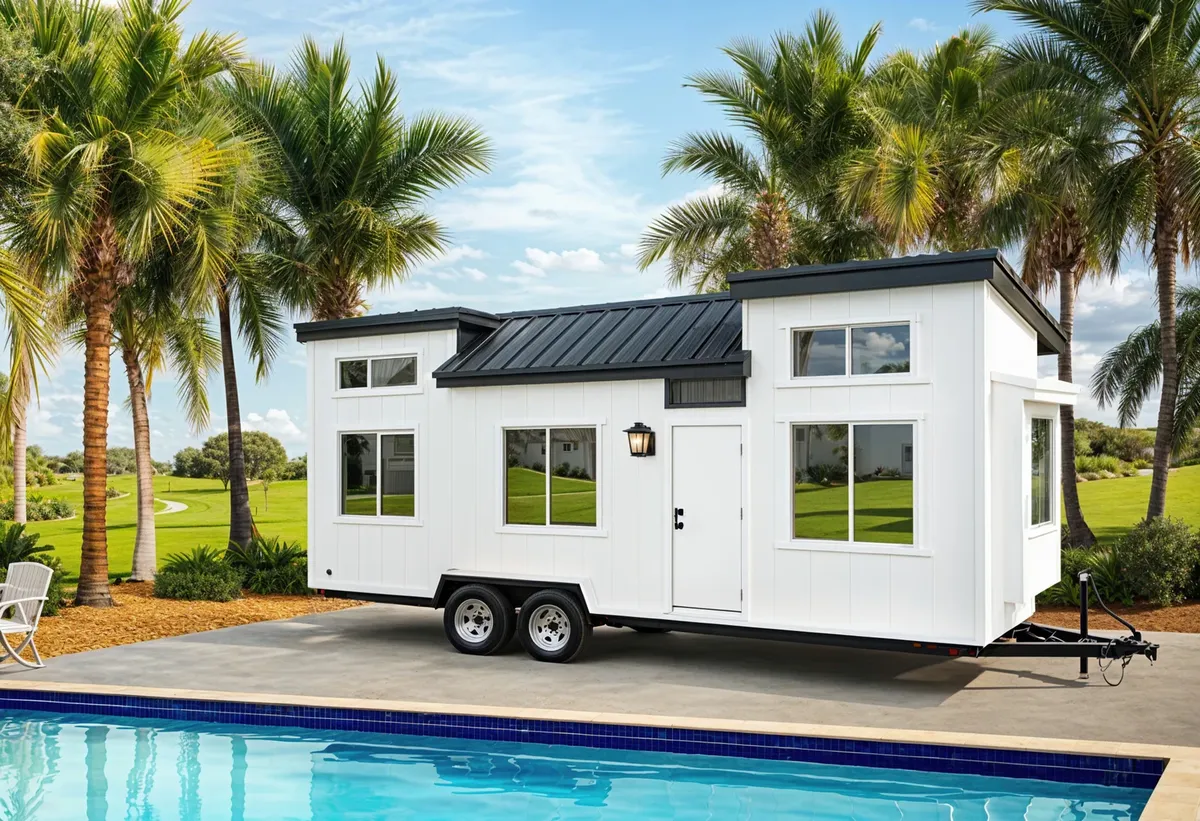
The most popular and accessible way to legally park a tiny home on wheels (THOW) in California is as an Accessory Dwelling Unit (ADU) in a residential backyard.
California state legislation has made it vastly easier to add secondary dwellings on single-family properties. Furthermore, dozens of California cities and counties have specifically updated local ordinances to recognize movable tiny homes for sale as legal ADUs.
Key Requirements for Backyard Parking:
Primary Residence Needed: Most ADU ordinances require a main dwelling to exist on the property.
Utility Hookups: You must connect directly to approved city water, sewer/septic, and electrical connections.
Visual Compatibility: Many local codes require the tiny home’s exterior design to match or complement the primary home.
Certifications: Most cities require THOWs to be certified by standard bodies like ANSI or RVIA, and registered with the California DMV. If you're building or buying, check out our selection of certified tiny homes to ensure compliance.
2. Most Tiny-Home Friendly Cities and Counties in California
Not every local planning department treats tiny homes the same. However, several forward-thinking jurisdictions in California have passed progressive zoning laws welcoming tiny homes:
3. RV Parks, Campgrounds, and Mobile Home Communities
If you do not own private land or have a host backyard, RV parks and tiny home communities provide an immediate plug-and-play solution.
What to Consider with RV Parks:
RVIA/NOAH Certification: Most commercial RV parks require your tiny home to carry an official RVIA or NOAH seal for insurance reasons.
Long-Term vs. Short-Term Licensure: Ensure the park is licensed for long-term/full-time occupancy rather than 30-day maximum stay limits.
Monthly Lot Rentals: Expect lot fees ranging between $600 and $1,200+ per month depending on location and amenities.
4. Can You Park a Tiny Home on Unimproved / Off-Grid Land?
Buying cheap land in rural California (such as Kern, Siskiyou, or San Bernardino counties) and parking a tiny home is a common dream. However, "my land, my rules" does not apply in most of California.
Before purchasing vacant land, keep these rules in mind:
Unpermitted Living is Illegal: Most counties forbid living full-time in a wheeled vehicle on raw land without a primary residence or a valid building permit.
Utility Access Requirements: Most zoning boards mandate an approved septic installation, fresh water access, and power supply before legal occupancy. If you plan to go off-grid, consider specialized off-grid tiny home models designed with solar and water collection systems.
Agricultural (Ag) Restrictions: While rural or agricultural land can feel more relaxed, living on farm property often requires the dwelling to serve a documented agricultural purpose.
💡 Quick Tips for Securing Your Legal Parking Spot
Get Planning Clearance in Writing: Always speak with your city or county building department before buying land or moving your home. Ask specifically: "Does this parcel allow movable tiny homes as ADUs?"
Verify HOA Covenants: Even if city zoning permits your tiny home, private HOA guidelines or deed restrictions can still block it.
Draft a Formal Lease: If you are renting a backyard or land space from a host, create a written lease detailing utility cost sharing, access rights, and stay duration.
Ready to Find Your Dream Tiny Home in California?
Finding the right parking spot is much easier when you have the right home. Check out our frequently asked questions or browse our active listings of tiny homes for sale in California to start your journey toward flexible living today!